
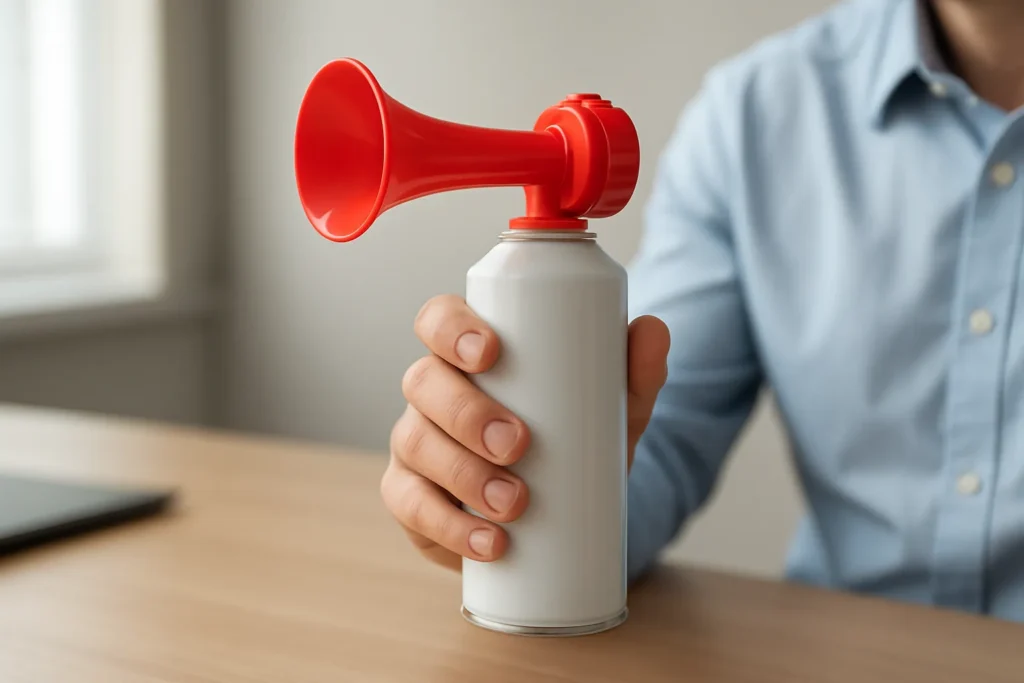
Portable Air Horns: A Practical Guide for Safe Use
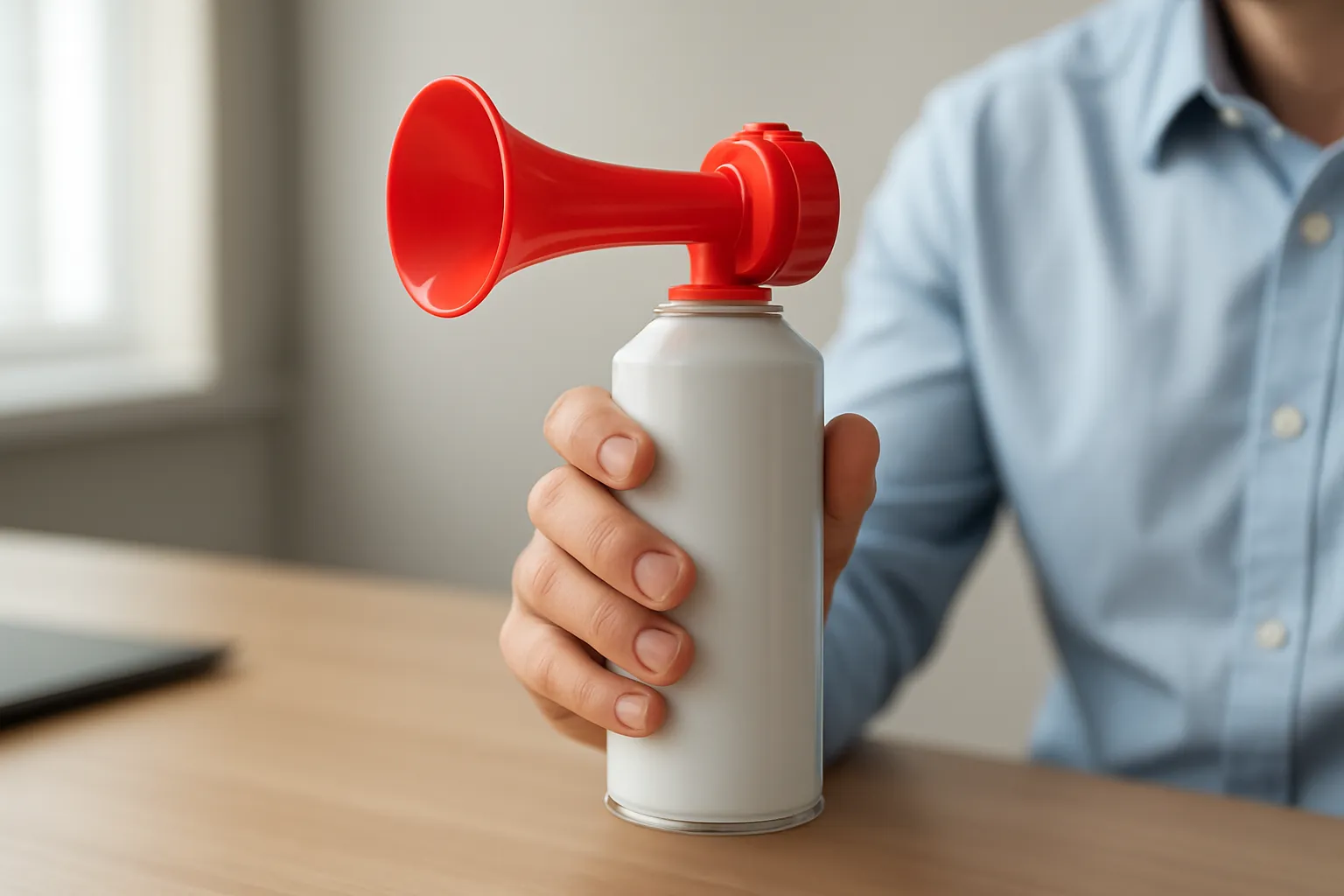
Portable air horns are versatile tools for signaling at events or providing safety alerts. Understanding how to use and choose the right horn can be overwhelming. These devices vary in type and size, each suited for specific situations.
The effectiveness of a portable air horn relies on proper usage and safety precautions. This guide will help you navigate your options, ensuring you select the right horn while avoiding common pitfalls. Whether for a party, a game, or outdoor safety, this overview equips you with essential knowledge.
Understanding Portable Air Horns
Portable air horns produce a loud sound using compressed air or gas, useful in various settings from sporting events to emergencies. They enhance the atmosphere at events and serve as alerts in outdoor activities.
When selecting a portable air horn, consider the environment. High-decibel horns in confined spaces can cause discomfort or hearing damage. Understanding local noise regulations is also crucial, as some areas have restrictions.
Not all air horns are equally loud or effective; factors like size, propellant type, and design impact usability. Choose a model that fits your needs and settings.
Steps to Use a Portable Air Horn Safely
To use a portable air horn safely:
- Choose the Right Environment: Use it outdoors or in spacious areas to avoid disturbing others.
- Inspect the Horn: Check for damage and ensure the canister is secure. Hold it upright to prevent accidental discharge.
- Aim Away: Point the horn away from your face and bystanders. A brief blast is more effective and reduces hearing risks.
- Store Properly: Keep the horn in a cool, dry place, away from sunlight and heat.
- Practice Use: Familiarize yourself with the horn’s operation before your event.
By following these steps, you can maximize the effectiveness of your portable air horn while minimizing risks.
Comparing Different Types of Portable Air Horns
When choosing a portable air horn, compare models based on features and use cases:
- Traditional Canister Air Horns
- Pros: Loud and powerful; long-lasting.
- Cons: Bulky; refills can be costly.
- Ideal Use Case: Sporting events or large gatherings.
- Compact Battery-Powered Air Horns
- Pros: Lightweight; no refills needed.
- Cons: Limited sound output; batteries drain quickly.
- Ideal Use Case: Boating or camping.
- Electric Air Horns
- Pros: Consistent sound; rechargeable options.
- Cons: Heavier; may require setup.
- Ideal Use Case: Emergency signaling.
- Mini Air Horns
- Pros: Highly portable; good for personal safety.
- Cons: Lower sound output; limited duration.
- Ideal Use Case: Personal safety while jogging.
Key Considerations:
- Sound Level: Assess how loud you need the horn.
- Size and Weight: Consider portability for your activities.
- Durability: Ensure the horn can withstand your intended use.
Common Mistakes to Avoid When Using Portable Air Horns
Beginners often make mistakes that can lead to ineffective use or safety issues:
- Improper Handling: Always aim the horn away from your face and others.
- Unsuitable Environments: Avoid using horns in enclosed spaces to prevent hearing damage.
- Neglecting Safety Guidelines: Familiarize yourself with the manufacturer’s instructions regarding distance and duration of use.
By avoiding these mistakes, you can enhance your experience with portable air horns.
Frequently Asked Questions about Portable Air Horns
- How loud are portable air horns?
They typically produce sound levels around 120-130 decibels.
- Are portable air horns safe for children?
Supervision is recommended to prevent misuse and hearing damage.
- Can I use a portable air horn indoors?
It’s advisable to use them outdoors to avoid noise complaints.
- What should I do if my air horn stops working?
Check for blockages and ensure the canister isn’t empty.
- Are there eco-friendly options for air horns?
Some brands offer options using compressed air instead of harmful chemicals.